Ever tried explaining to your friends how pizza is Italian but can be found in every corner of the globe? That’s cultural diffusion for you. It’s like the world’s biggest potluck dinner where everyone brings their dish, and it keeps getting tastier with each new flavor. In this text, we’ll investigate into the intriguing realm of cultural diffusion, especially through the lens of drawing. Trust us, by the end, you’ll see that every stroke of your pencil can bridge cultural divides, making your art a passport for ideas, traditions, and creativity.
What Is Cultural Diffusion?
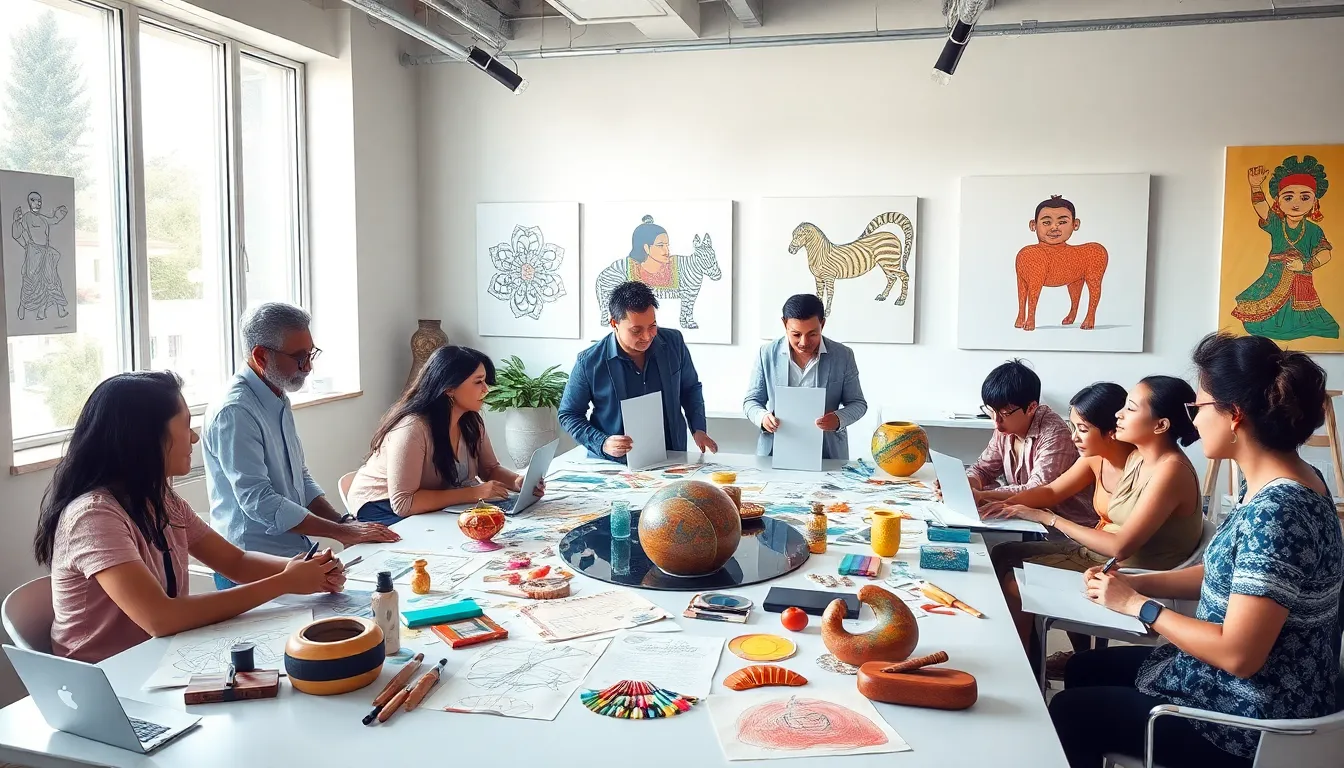
Cultural diffusion refers to the process through which cultural elements, like beliefs, practices, and artistic styles, spread from one society or group to another. This concept is essential in understanding how various cultures interact and evolve over time. Think of it as cultural osmosis: ideas and traditions seep in, mix, and influence one another.
There are various methods through which cultural diffusion occurs, which can range from trade and migration to technological advances. Each method allows cultures to intermingle, leading to fascinating hybrids of art, cuisine, fashion, and more, shaping modern society in the process.
Types of Cultural Diffusion
Understanding the types of cultural diffusion can elevate one’s appreciation for art and culture. There are two primary categories:
- Expansion Diffusion: This occurs when an idea or innovation spreads to neighboring regions and communities while still originating from its place of origin. Think of it like a ripple effect, each wave reaching a new shore, absorbing bits and pieces along the way.
- Relocation Diffusion: This describes situations where cultural elements are carried to new locations, often due to migration. Imagine ancient mariners sailing to new lands, bringing their art forms with them.
In art, both types can manifest spectacularly, whether through a new style emerging in a metropolitan area or through indigenous art forms being reinterpreted by artists in a foreign land.
The Role of Art in Cultural Diffusion
Art serves as a vital conduit for cultural diffusion. It transcends language barriers and can evoke emotions that resonate universally. Drawings, paintings, and sculptures can convey ideas, values, and histories without uttering a single word.
For example, consider the influence of Japanese woodblock prints on Western artists during the 19th century. These prints not only inspired movements like Impressionism but also introduced unique aesthetic principles to a broader audience. The cross-pollination of styles led to new schools of art and enriched both cultures.
Techniques for Creating Cultural Diffusion Drawings
Creating drawings that embody cultural diffusion begins with a deep understanding of symbolism and meaning. Here are some techniques you can try:
Symbolism and Meaning in Cultural Diffusion Art
Integrating symbols from various cultures into a drawing can deepen its narrative. For instance, incorporating geometric patterns from Islamic art with traditional Native American motifs can create a fusion of styles that tells a unique story.
Besides, color has cultural connotations: different hues evoke various emotions and meanings across the globe. Being mindful of these elements and playing with contrasting or complementary symbols can yield a powerful artistic statement that reflects diversity and unity.
Historical Examples of Cultural Diffusion in Art
History is replete with examples of cultural diffusion through art that have significantly shaped artistic movements. Take the Renaissance, for example. Artists like Leonardo da Vinci were heavily influenced by classical Roman and Greek art, which had been preserved and transformed over centuries. They took these influences and blended them with contemporary themes, giving birth to a new, vibrant style.
Other instances include the merging of African and European art forms in the Americas, where artists like Jean-Michel Basquiat broke barriers around cultural identity and expression. These historical examples illustrate how art functions not just as a reflection but also as a catalyst for cultural integration.
Incorporating Cultural Diffusion in Your Art Projects
Incorporating cultural diffusion into personal art projects can invigorate creativity and broaden artistic horizons. Start by researching various cultures and their artistic expressions. Each interaction can offer new techniques, patterns, or themes to explore in your own work.
Collaborating with artists from different backgrounds can also enhance your understanding of cultural nuances. Workshops that allow exchange of techniques from various traditions can yield groundbreaking results. Also, consider creating pieces that respond to or reinterpret existing artworks from different cultures, offering a fresh perspective that celebrates diversity.