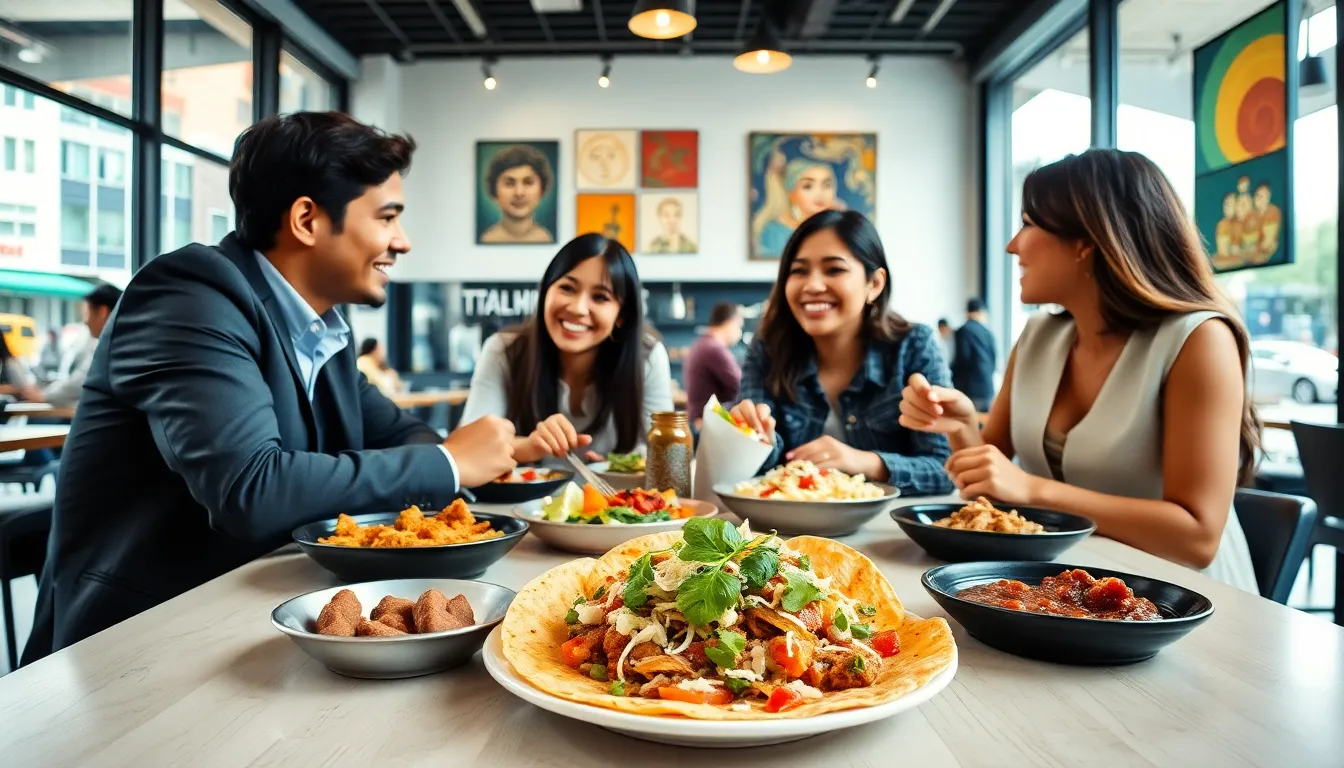
Ever wonder how a spicy taco made its way to your lunch plate while you’re munching in a corner cafe? It’s not magic: it’s cultural diffusion at work. This fascinating phenomenon explains how different cultures share and merge ideas, practices, and products. In a world where an Instagram post can spark trends from Paris to Tokyo within seconds, understanding cultural diffusion is more relevant than ever. Stick around as we unravel its meaning and jump into its many layers, quirky examples, and the surprising impact it has on our society.
Understanding Cultural Diffusion
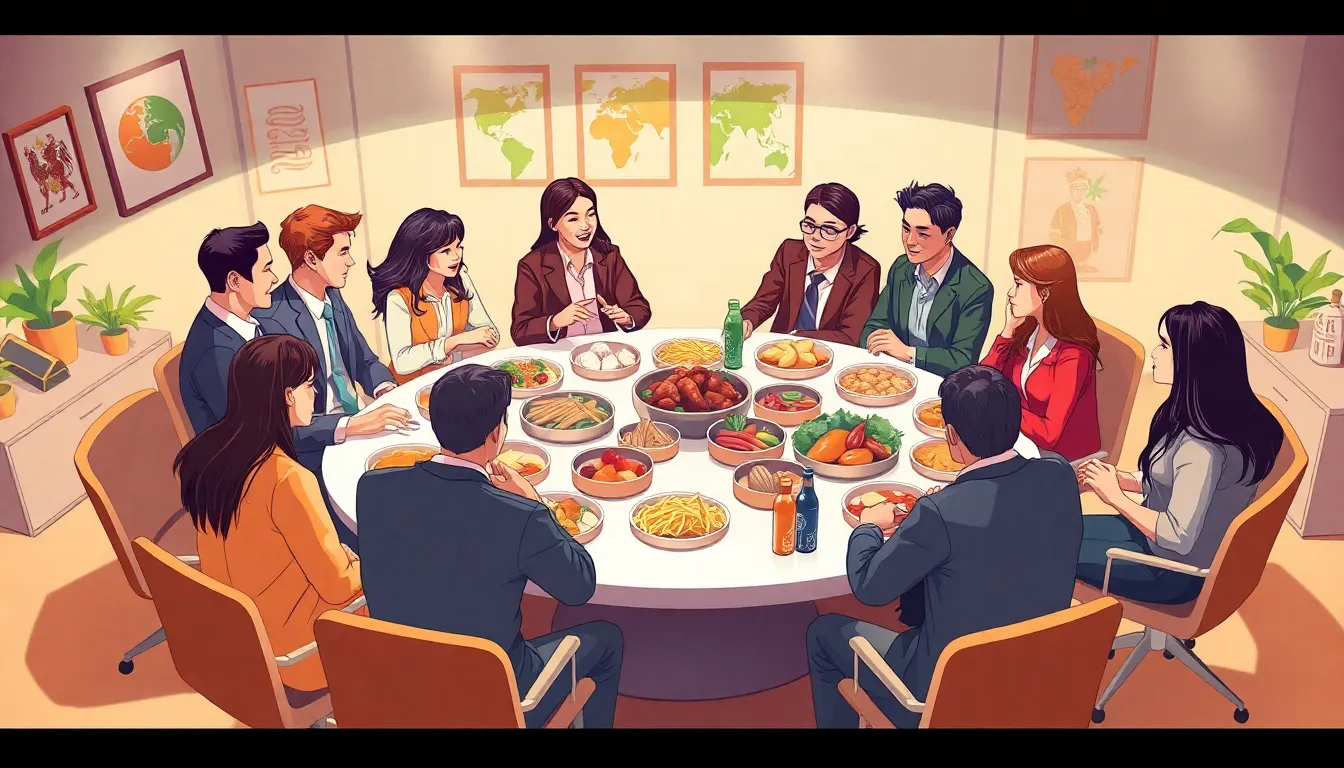
Cultural diffusion refers to the process by which cultural elements, such as beliefs, customs, technologies, and practices, spread from one society or group to another. It’s not just about adopting new ideas: it involves an intricate dance of interaction between cultures. Think of it as a giant potluck dinner where everyone brings their own dish to share. While some cultures might stick to their traditional recipes, others might experiment and blend flavors to create something entirely new. This process has defined human history, shaping societies and communities in countless ways.
At its core, cultural diffusion operates on the principle of exchange. When people come into contact, whether through trade, migration, or globalization, they exchange more than just goods: they share worldviews and practices. Over time, this can lead to significant changes in cultural identities, often resulting in hybrid practices that reflect the merging of different traditions.
Types of Cultural Diffusion
Cultural diffusion is not one-size-fits-all: it comes in various flavors. Here are some key types:
Direct Diffusion
This happens when two cultures are in face-to-face contact. Imagine travelers, traders, or conquerors interacting with local populations. For example, when the Spanish colonized parts of the Americas, they brought not just tools but also their language and religion, leading to significant cultural shifts.
Indirect Diffusion
In this case, cultural elements pass through an intermediary. A classic example would be how African music influenced jazz in America. Here, the African traditions didn’t directly reach the jazz musicians but were filtered through various musical styles.
Stimulus Diffusion
This occurs when a specific idea or practice spreads but is adapted by the receiving culture to fit its own needs. Consider how fast food chains adapted their menus across different countries, offering local delicacies alongside burgers and fries.
Examples of Cultural Diffusion
The world is brimming with fascinating examples of cultural diffusion. Let’s take a closer look:
Cuisine
Take a stroll through any cosmopolitan city, and you’re bound to find an array of cuisines reflecting different cultures. Sushi in New York and tacos in Berlin are prime examples. These foods have transcended their original geographic boundaries, creating new culinary experiences while still honoring their roots.
Fashion Trends
Fashion is another area rife with cultural diffusion. The global popularity of streetwear, often rooted in Hip-Hop culture, illustrates how elements from one culture can gain traction across the world. From oversized hoodies to graphic tees, these trends showcase the beauty of cultural exchange.
Language
Phrases from different languages pop into conversations everywhere. English, for instance, has absorbed words like “ballet” from French and “sushi” from Japanese, enriching its lexicon and highlighting its adaptive nature.
Factors Influencing Cultural Diffusion
Several factors can expedite or hinder cultural diffusion. Here are a few:
Technology
Modern technology has sped up the diffusion process. Social media platforms and streaming services allow ideas to circulate globally in real-time. A TikTok dance trend can emerge in one country and be replicated worldwide overnight.
Migration
When people move, they bring their traditions with them. Cities with high immigrant populations often become cultural melting pots, fostering an environment rich in diversity.
Trade Routes
Historically, trade routes have facilitated the exchange of goods and ideas. The Silk Road is a classic example, connecting the East and West and enabling the spread of inventions, religions, and artistic influences.
Impact of Cultural Diffusion on Society
Cultural diffusion has far-reaching implications for societies.
Enrichment of Culture
It enriches cultures by introducing new ideas and practices, making societies more diverse and dynamic. The blending of traditions can lead to innovations in art, music, and cuisine, fostering creativity and collaboration.
Conflict and Cooperation
While cultural diffusion can lead to greater understanding, it might also spark conflict. Different cultural values and practices can clash, creating tensions. But, cooperative exchanges often arise when cultures find common ground, demonstrating that differences can be a source of strength.
Challenges and Misconceptions
Even though its importance, cultural diffusion is often misunderstood. One common misconception is that diffusion always leads to a loss of cultural identity. While some may feel their traditions are threatened, many cultures adapt and transform elements from others while preserving core aspects of their identity. Also, the term “cultural appropriation” is frequently used in discussions about diffusion. There’s a fine line between respectful exchange and exploitation, and understanding this distinction is vital for fostering healthy cultural interactions.