Ever wondered how cultures can collide in a spectacular display of art, music, and even food? Welcome to the intriguing realm of spirit cultural exchange. It’s like a cultural potluck, each participant brings something unique to the table, creating a feast for the senses and minds alike. In a world that often feels divided, this exchange paves the way for understanding and appreciation between diverse communities. Buckle up as we dive deep into this captivating phenomenon, exploring its roots, benefits, challenges, and the inspiring future it promises.
Understanding Spirit Cultural Exchange
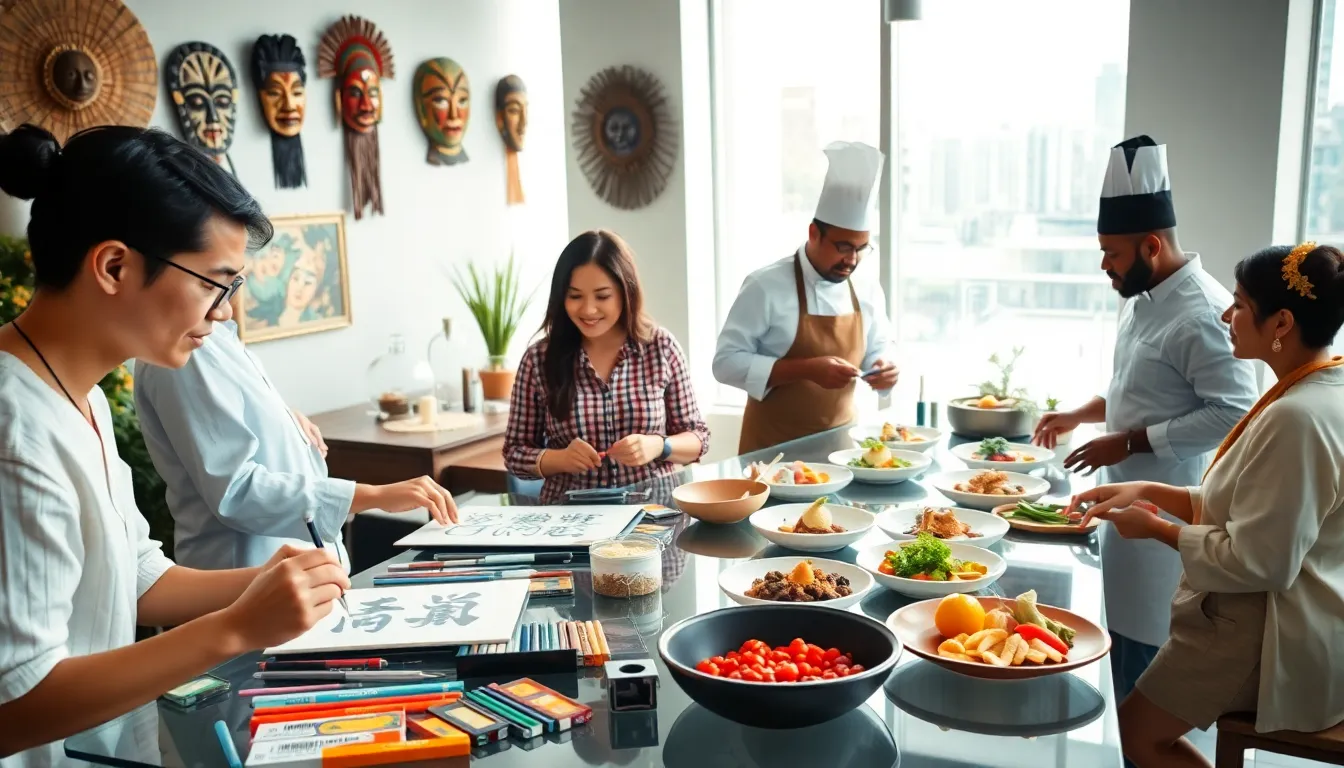
At its core, spirit cultural exchange is about more than just sharing traditions. It’s a dynamic interplay of beliefs, practices, and values that allows people from different backgrounds to learn from one another. Imagine an American attending a traditional Japanese tea ceremony, or a South African experiencing the vibrant sounds of a mariachi band. These experiences create bridges where previously there may have been walls.
This exchange often manifests itself through art, culinary experiences, music, and festivals. Artists collaborate across borders, chefs innovate by fusing culinary techniques, and musicians blend genres that reflect their cultural heritages. Each exchange enriches participants, broadening perspectives and cultivating empathy.
Historical Context of Spirit Cultural Exchange
The roots of spirit cultural exchange run deep, tracing back thousands of years. Historically, when traders crossed continents, they didn’t just share goods: they shared their cultures and traditions, enabling a flow of ideas and innovations.
Think of the Silk Road, which not only connected East and West through commerce, but also allowed for cultural interactions that shaped empires. The exchange of philosophies, art styles, and even cuisines demonstrated that even the most distant societies can significantly influence one another. Fast forward to the modern era, and globalization has vastly accelerated these exchanges, creating opportunities for people to explore foreign cultures without leaving their home cities.
Key Elements of Spirit Cultural Exchange
Several elements define spirit cultural exchange, making it a rich and multifaceted experience.
Benefits of Spirit Cultural Exchange
- Cultural Awareness: Engaging in spirit cultural exchange enriches understanding and appreciation of diverse cultures. By experiencing a culture firsthand, individuals move beyond stereotypes, fostering deeper connections.
- Innovation and Creativity: Blending ideas across cultures can spark creativity in various fields, including art, science, and technology. Innovative solutions to global issues often emerge from such collaborations.
- Community Building: Whether in local neighborhoods or on a global scale, spirit cultural exchange cultivates community and connection. It fosters a sense of belonging and inclusion that transcends geographic boundaries.
Challenges in Spirit Cultural Exchange
Even though its many rewards, spirit cultural exchange is not without challenges. Misunderstandings can arise when cultural nuances are overlooked. Sometimes, there are power dynamics at play where dominant cultures overshadow marginalized ones, leading to cultural appropriation instead of authentic exchange.
Also, language barriers can hinder effective communication, creating gaps in understanding. It’s essential to approach these exchanges with sensitivity and respect to avoid cultural insensitivity. Building genuine connections requires mindful navigation of these hurdles.
Case Studies of Successful Spirit Cultural Exchange
Looking at successful case studies helps illuminate the power of spirit cultural exchange.
One striking example is the collaboration between the United States and Mexico through the Fiesta Broadway, a cultural festival in Los Angeles celebrating Mexican heritage. This event not only showcases music, food, and dance but also raises awareness about social issues affecting the Latino community. Another notable case is the global initiative Artists in Residence, which pairs artists from different cultures to collaborate on projects. These partnerships often give rise to works that beautifully reflect their shared experiences, enriching both artists and audiences alike.
Future Trends in Spirit Cultural Exchange
As globalization continues to evolve, so too will spirit cultural exchange. The rise of digital technology opens new avenues for virtual exchanges. For instance, artists can collaborate across continents via online platforms, making distant connections feel closer than ever.
Also, social media plays a pivotal role in amplifying voices from underrepresented cultures, enabling wider audiences to engage with their stories and traditions. Future trends may also include a greater emphasis on sustainable practices within cultural exchanges, prioritizing respect for cultural heritage and authenticity.